Essential Maintenance and Clearing Tools
Precision Hedge Trimmers
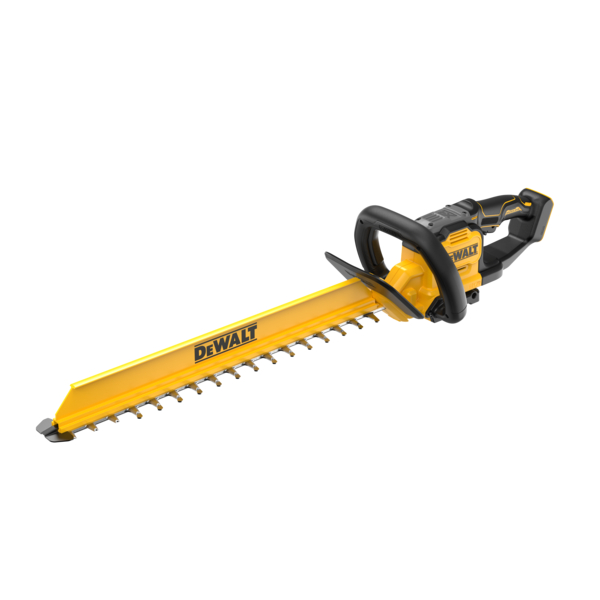
A professional-grade hedge trimmer is engineered for clean, vertical cuts and shaping dense privacy screens. For those already using FLEXVOLT systems, the DeWalt hedge trimmer provides excellent balance and blade speed for thick branches. The Milwaukee hedge trimmer offers the high-torque performance of the M18 FUEL platform, so the tool doesn't bog down in heavy overgrowth.
High-CFM Leaf Blowers
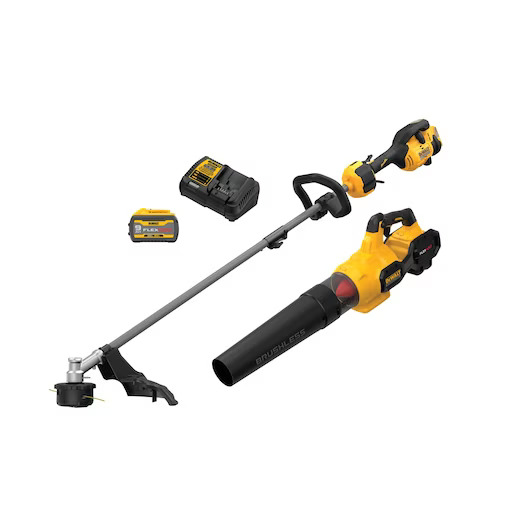
Clearing debris from walkways and large lawns requires a high-output leaf blower. If you need a lightweight solution for job site cleanup, the DeWalt leaf blower delivers concentrated airflow with variable speed control. For professional landscapers requiring maximum clearing power, the Milwaukee leaf blower provides the high CFM (cubic feet per minute) needed to move wet leaves and heavy yard waste efficiently.
Chainsaws and Heavy Cutting
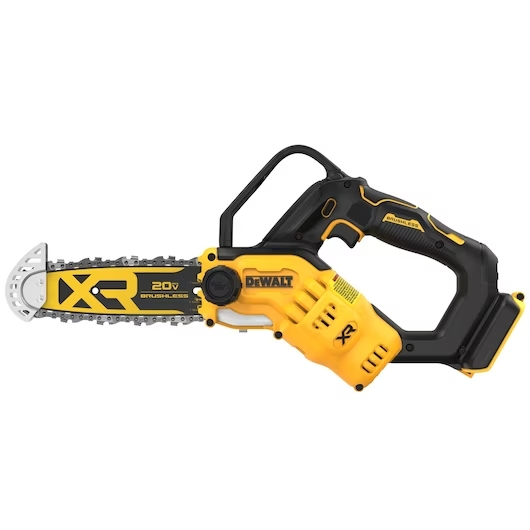
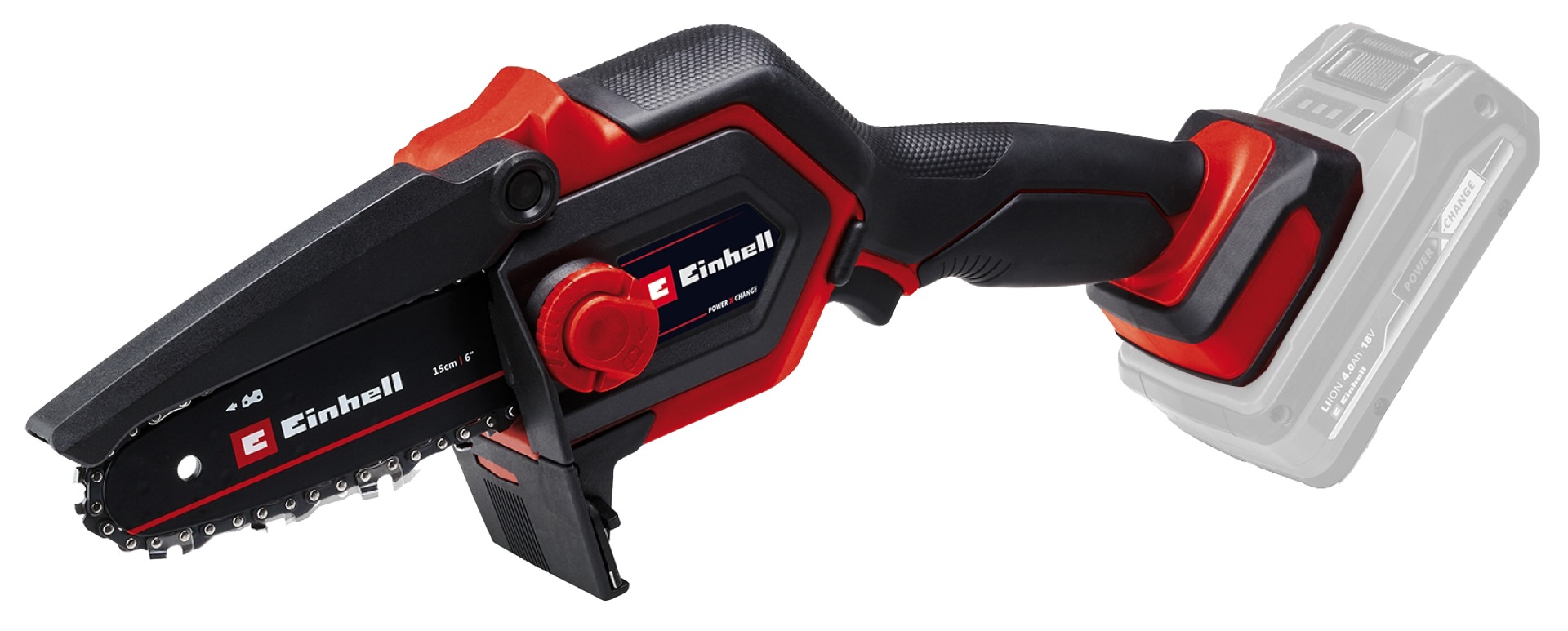
For felling and bucking, a modern battery chainsaw offers the convenience of instant starts without the hassle of fuel mixing. The DeWalt chainsaw is a popular choice for contractors who need a reliable tool for clearing sites or cutting large timbers. For heavy pruning and demanding property maintenance, the Milwaukee chainsaw delivers power comparable to smaller gas saws, with reduced noise and vibration from a battery-powered system.
Concrete Saws and Hardscape Cutting
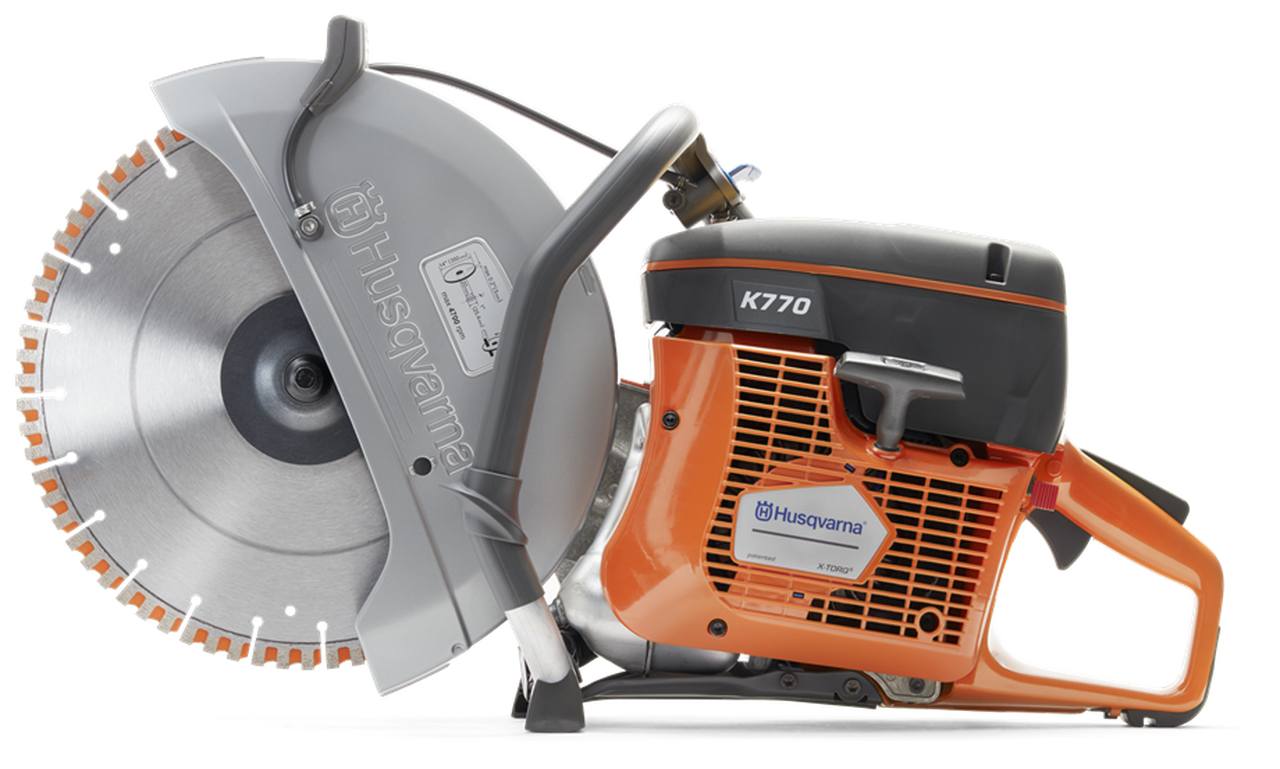
For patios, curbs and paver work, a cordless concrete saw or cut-off saw lets you score and cut masonry without dragging cords across the site. Compact concrete saws and grinder/cut-off tools are ideal for trimming pavers, opening expansion joints and making small corrections in poured slabs, while high-output cordless cut-off saws handle deeper cuts in thicker concrete or block.
Specialized Tools for Outdoor Construction
While traditional outdoor power equipment handles the landscape, specialized cordless tools are vital for building decks, fences, and outdoor structures.
- Demolition and Pruning: A cordless reciprocating saw is the ideal tool for rough-cutting roots or dismantling old fencing in areas where power outlets are unavailable.
- Structural Fastening: For driving long lag bolts into pressure-treated lumber, a high-torque cordless impact driver provides the necessary driving force without the risk of kickback.
- Anchoring and Concrete Work: Rotary hammer drills give you the impact needed for anchors, post bases and concrete fasteners on patios, retaining walls and stair landings. Paired with rebar cutters/tiers, they help streamline reinforced concrete work so crews can drill, set and tie faster on site.
- Finishing and Surface Prep: Grinder/cut-off tools, polishers/sanders and planers/jointers handle edge grinding, smoothing and profiling on wood, metal and masonry. They are especially useful for cleaning up cut edges on deck boards, rail posts and steel brackets before final assembly.
- Site Cleanup and Dust Control: Cordless vacuums and modular vacuums give you a way to capture dust from concrete cutting, drilling and sanding without extension cords. They also keep vehicles, trailers and enclosed spaces clean, which helps tools last longer and keeps crews working in safer conditions.
Comparing Power Sources: Battery vs. Gas Performance
Choosing the right outdoor power equipment means balancing maintenance with the power you need for each job. Battery tools give you a plug-and-play alternative to gas, starting instantly without fuel mixing or engine winterization. To get the most from them, you need to stay within a single battery platform. A Milwaukee tool from the M18 line runs on M18 batteries, while a compact M12 version needs its own 12V packs. In the same way, DeWalt equipment is built around 20V MAX or FLEXVOLT packs. Because these brands and voltages are not interchangeable, most crews commit to one platform, so every battery on the trailer fits the tools on the rack.
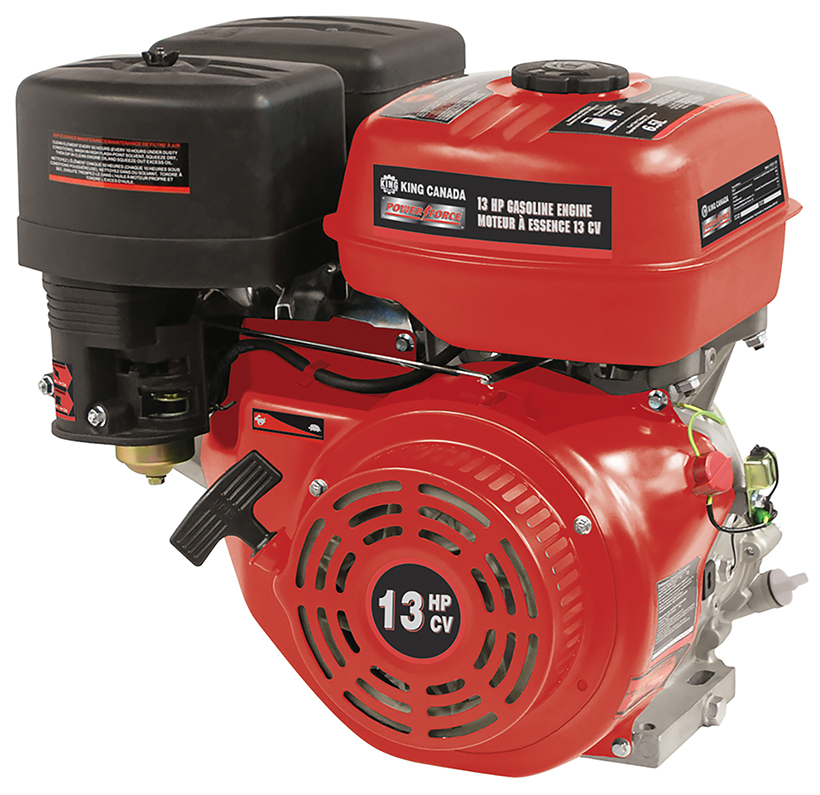
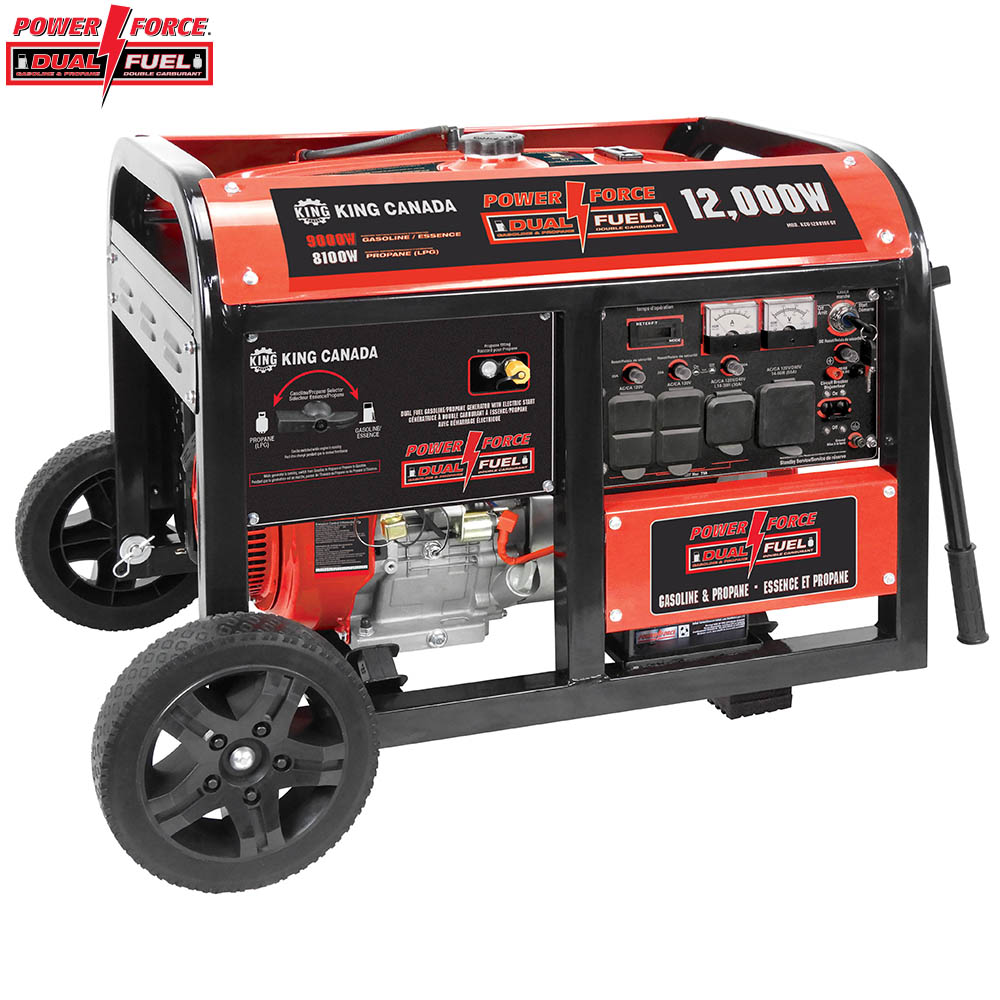
Gas engines are still common on large properties where long, uninterrupted runtime is the priority, but battery platforms are becoming more practical for everyday work. A gas-powered engine delivers strong, sustained torque for heavy tasks, but it also needs regular care such as oil changes, spark plug replacements and fuel stabilization. Refuelling is quick, yet you are constantly dealing with maintenance and flammable fuel. A shared battery platform across landscaping and construction tools cuts downtime, simplifies logistics and delivers an efficiency that traditional engines struggle to match on a busy job site.
Frequently Asked Questions
What outdoor power equipment should I prioritize if I am starting a landscaping business?
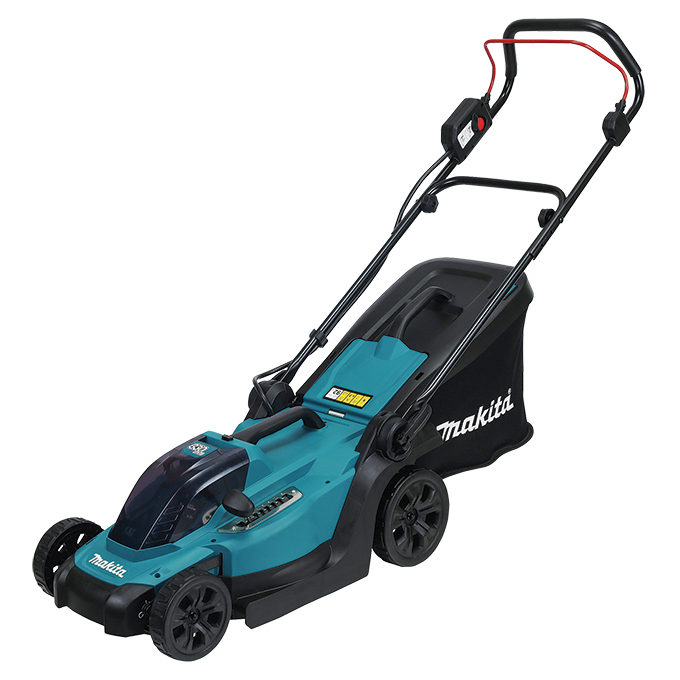
Start with a core kit that covers most of your day-to-day work: a lawn mower, a string trimmer, a leaf blower and a hedge trimmer. That setup lets you handle regular maintenance and cleanup efficiently. To take on removals and simple construction, add a chainsaw, a cordless reciprocating saw and a cordless impact driver. Use the reciprocating saw for rough cuts through roots or old fencing so you are not dulling your chainsaw on dirty material, and lean on the impact driver for building decks and fences. This mix gives you the tools you need for both landscape maintenance and basic site construction without overextending your starting inventory.
How can I reduce noise when using leaf blowers and hedge trimmers?
Lowering noise on the job starts with replacing the constant idle of gas engines with battery-powered tools that are only loud when the trigger is pulled. You can cut sound levels further by keeping blades and cutting edges sharp so the motor is not working harder than it needs to, and by backing off the top speed when you are only moving light debris. Switching to wider nozzles or attachments also helps get rid of the high-pitched whistle that comes from narrow tips, making a full day on site easier on both the crew and anyone nearby.
How can I reduce fatigue when using outdoor power equipment?
Cutting down on the physical toll of a long day starts with gear that actually fits how you move. Instead of muscling through the weight, use a harness or shoulder strap to shift the load onto your hips and back, which saves your arms from burning out. Watch for vibration-dampening tech and ergonomic handles that let you keep your wrists in a natural position, from overhead work to tasks at waist level. Small details like this, combined with well-balanced equipment, help prevent that end-of-day soreness before it starts.
How can I extend the life of my cordless tool batteries for outdoor power equipment?
To get more life out of your batteries, manage heat and storage properly. Let packs cool before you put them on the charger, especially if they’re hot to the touch after heavy use. Excess heat is one of the main things that wears cells out. In the off-season, store batteries in a climate-controlled space at roughly half charge instead of leaving them empty in an unheated shed. Keep at least one fully charged pack set aside for precision tools like your cordless impact driver or cordless reciprocating saw, so you always have a strong battery ready for accurate fastening or controlled cuts. It also helps to keep the metal contacts clean of sap, dirt and moisture so you get a solid connection and consistent power on high-torque jobs.
Find the gear you need at Jean-Claude Cayer Enterprises. From heavy-duty power tools to the latest battery-powered outdoor equipment, we stock trusted brands to keep your projects moving.