





Stationary woodworking machines define the quality and capability of a workshop. They provide the stability and precision needed to prepare lumber, cut joinery, and shape materials accurately. From ripping sheet goods on a table saw to flattening boards on a jointer, these machines make advanced woodworking possible. If you’re building out your wood workshop tools list, the right stationary power tools will form the foundation of your setup.
Top Wood Workshop Tools List
Jointer
A jointer flattens one face of a board and squares one edge to it, providing a clean reference surface for further work. It’s especially useful for twisted, bowed, or rough lumber. Select a jointer with long, co-planar tables and consider helical cutterheads for smoother finishes. This tool pairs with a planer for dimensioning lumber, but neither can replace the other. The jointer comes first for accuracy, and the planer follows to make boards parallel and consistent. It’s one of the best stationary tools for lumber preparation.
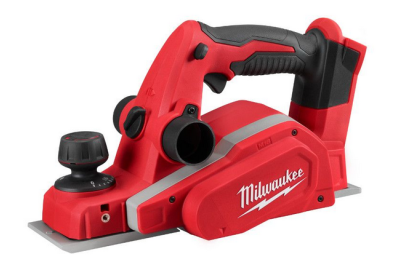
Planer
A planer takes that jointed face and makes the opposite face flat and parallel, bringing the board to a consistent final thickness. It works in tandem with the jointer for true, square, and usable lumber. Check for feed roller stability, available width capacity, and whether the planer has a lock to reduce snipe. Among stationary power tools, the planer is key for producing uniform, project-ready boards.
Table Saw
A table saw is ideal for long rip cuts, consistent part sizes, and square edges. It’s useful for building cabinets, furniture, and shelving, making the work faster and cleaner. Look for a solid fence system, adequate motor power (1.5–2 HP for hobby use, 3 HP for hardwoods), and a cast iron top for stability. Aluminum tops are lighter but less rigid. No wood workshop tools list is complete without this centrepiece of stationary tools.
Mitre Saw
Perfect for accurate crosscuts and angled cuts, a mitre saw is ideal for trim, moulding, picture frames, or cutting boards down to size. It does what a circular saw or table saw sled can’t with fast, precise cuts at consistent angles. For anyone doing framing, it’s a major time-saver. Use a stop block system for repeat cuts, and double-check your bevel settings before angled cuts. It’s a core stationary tool for carpentry and furniture building alike.
Band Saw
A bandsaw cuts curves, resaws boards, and handles odd shapes. The King KC-1202FX is compact but capable; the KC-1702FXB adds resaw capacity and a tension-release lever for quick blade changes. Choose blade width based on the job: narrow for curves, wide for straight cuts. Regularly adjust blade tension and guide bearings to keep cuts clean and prevent drift. A tall fence attachment helps maintain straight lines when resawing. As part of your stationary power tools setup, it brings versatility to any project.
Drill Press
Unlike handheld drills, a drill press gives you precision and repeatability. It’s ideal for boring exact holes for joinery, hardware, or repeated shelf pin spacing. Compare key specs like spindle travel, throat depth, and speed adjustment options. Belt-driven setups are common, while digital controls can add convenience. Features like adjustable speeds, depth stops, and tilting tables expand versatility. A drill press is one of the best stationary tools for accuracy in repetitive drilling operations.
Scroll Saw
A scroll saw lets you cut detailed curves, tight corners, and fine patterns in thin wood. It’s ideal for fretwork, signage, decorative panels, and custom inlays. Look for models that offer speed control and tool-free blade changes for fast adjustments. Use it with fine-tooth blades for clean edges on hardwood or soft materials. This belongs on any wood workshop tools list for craftspeople who work with intricate designs.
Oscillating Spindle Sander
This type of sander is built for smoothing curved and contoured edges, something flat sanders can’t do well. Choose models that can handle thick, irregular pieces with consistent results. Use it after bandsawing or scroll sawing to refine curves and interior corners. Rotate your sanding sleeves to extend their lifespan and keep finishes clean. Among stationary power tools, it’s a top choice for fine finishing work.
Wood Lathe
A wood lathe allows you to turn table legs, bowls, handles, and other round pieces with precision. Start with softwood and keep your tools sharp for cleaner cuts. The King KWL-1016C handles small projects well, while the KWL-1218VS offers variable speed and more capacity for larger work. Always centre your piece carefully and wear a face shield when turning. Start projects between centres before moving to a faceplate for safety and better control. A slow-speed start prevents wobble on unbalanced blanks. The wood lathe is a cornerstone in any serious wood workshop tool list.
Dust Collector
For larger shops or when using stationary machines, a dedicated dust collection system is a must. Pick a unit that connects directly to your table saw, jointer, or planer and pulls chips and dust away before they spread. Get at least 600 CFM for small shops, but aim for 1,200 CFM or higher if you plan to run larger machines or multiple tools. Consider canister vs. bag filters for fine dust capture. A dust collector is one of the best stationary tools for keeping a safe and efficient shop.
FAQ: What to Know Before Buying Stationary Power Tools
What should I look for when comparing table saws or jointers?
Check fence stability, bed or table flatness, and motor power. Cast iron tops provide better vibration control. For jointers, make sure the infeed and outfeed tables are co-planar. For saws, inspect the trunnion system and whether adjustments are tool-free. Read specs carefully because some entry-level models compromise on alignment features or dust collection.
How do I choose between a benchtop and floor-standing model?
Benchtop tools save space but trade off power, capacity, and rigidity. They’re good for smaller projects or temporary setups. Floor-standing models handle longer stock, maintain better alignment, and have heavier-duty components. If you’re working with hardwoods or plan to build furniture, invest in the larger format where possible.
Is it better to buy the tool now or wait and save for a higher-end version?
It depends on your workload and the tool’s function. For precision machines like a jointer or table saw, where accuracy is critical, it’s often better to buy once and invest in a quality model. For less demanding tasks like sanding or drilling, a solid mid-range option can get you working right away. The key is to choose tools that fit your current projects while allowing for future upgrades or accessories.
Should I plan for accessories and upgrades when buying a machine?
Yes. Many stationary tools only show their full potential when paired with the right accessories. For example, table saws benefit from quality blades, featherboards, and outfeed support; drill presses gain precision with fences and vices; lathes often need extra chisels or a chuck to be versatile. It’s smart to budget for these additions at the same time as the machine, so you’re fully equipped to use it right away.
How can I set up my workshop to grow over time?
Think in terms of workflow. Start with core machines like a jointer, planer, and table saw, then add specialized tools like a bandsaw, drill press, or lathe as your projects demand. Plan for dust collection capacity and shop layout from the start so new tools integrate smoothly. Choosing machines with standard ports, mobile bases, and expansion options makes upgrades easier and prevents costly reconfiguration later.
Since 1988, Jean-Claude Cayer Enterprises has been a trusted source for stationary power tools in Eastern Ontario. We help woodworkers build a reliable wood workshop tools list, whether it’s your first jointer and planer or an upgrade to professional-grade machines. Our team makes it easy to choose the stationary tools that fit your projects and your shop.


